Pre-season diary Servicing visits for October to December are open, and cooling-season bookings fill from February. Ask for a window
A bright, uncluttered living room with a wall-mounted split unit running quietly above the window
Domestic & small commercial

Cooling that
behaves itself
all summer

We service, clean and repair split systems and multi-head units — one engineer, one visit, and a written note of exactly what we found.

Visit length
60–90 minutes for a single indoor unit, including the outdoor condenser.
What you keep
A plain-language service record with readings, photos of the coil and any parts to watch.
Before any work
Repairs are quoted and agreed with you first. Nothing is replaced on assumption.
Diagnose before you book

Start with what
you're noticing

Most calls begin with one of these four complaints. Here is the likely cause and what an engineer actually does about it, so you know what you're paying for.

01 / Airflow

It runs, but barely moves air

Usually a loaded filter or a coil furred with dust, pet hair and cooking grease. The fan is working as hard as ever; the air just can't get past the blockage.

On the visitFilters washed or replaced, evaporator coil foam-cleaned, blower wheel checked for build-up, airflow re-measured at the louvres.

02 / Smell

A musty smell on start-up

Damp sitting on the coil and in the drain tray grows biofilm. It is the most common reason a unit is described as "making the room smell old".

On the visitCoil and tray sanitised, drain line flushed and tested, fan barrel cleaned, and a dry-cycle setting enabled if your unit supports one.

03 / Water

Drips or stains under the unit

A blocked or badly sloped condensate line backs water up into the tray until it spills over the front edge — often onto plaster or skirting.

On the visitDrain cleared and vacuum-tested, gradient checked along the run, tray reseated, and the surrounding wall inspected for existing damage.

04 / Cycling

It switches on and off constantly

Short-cycling points to refrigerant pressure, a sensor reading badly, or a condenser that cannot shed heat because it is boxed in or clogged.

On the visitPressures and temperature split read, sensors verified, condenser fins cleaned, electricals and contactor checked, findings explained before any repair.

Not sure which one fits? Describe it in your own words on the booking form — "noisy, then nothing" is a perfectly useful description, and it tells us which parts to bring.

Three ways we're called out

Pick the lane that
matches your week

Choosing correctly saves a wasted visit. If you're between two, book the service — an engineer can escalate on the spot.

Annual service

The planned clean and health check that keeps a working unit working, ideally before the first hot week rather than during it.

Suits
Units that cool fine but haven't been opened in a year or more.
Includes
Full clean, drain test, pressure and temperature readings, electrical check.
Typical time
60–90 minutes per indoor unit.
Afterwards
Service record plus a note of anything likely to need attention next season.

Fault call-out

Something has changed — no cooling, tripping, water, or a noise that wasn't there last month. Diagnosis first, repair once agreed.

Suits
A unit that has stopped, leaks, trips the breaker or behaves differently.
Includes
Fault-finding on sensors, board, fan, capacitor and refrigerant circuit.
Typical time
One visit to diagnose; common parts carried on the van.
Afterwards
A written quote before any part is fitted, including the option of doing nothing.

Replacement advice

An honest survey when a unit is old, undersized or expensive to keep alive — including the case for keeping it another season.

Suits
Ageing systems, rooms that never reach temperature, or renovation planning.
Includes
Room-by-room load sizing, pipe-route check, noise and position review.
Typical time
A survey visit, then written options with no obligation.
Afterwards
Two or three sensible specifications rather than one take-it-or-leave-it figure.
Nothing skipped, nothing padded

Inside a full service

The same six stages run on every maintenance visit. Ask the engineer to talk you through any of them while they work.

StageWhat happens
Stage 01Protect the room Sheeting under the indoor unit, furniture moved clear, and a quick note of any existing marks on the wall before a panel comes off.
Stage 02Read it running Supply and return temperatures, the split between them, and current draw are recorded while the unit is still in its usual state — the numbers mean nothing after cleaning.
Stage 03Strip and clean Filters washed, evaporator coil treated and rinsed, blower wheel cleared, louvres and casing wiped down, and the drain tray sanitised.
Stage 04Drain and seal Condensate line flushed, flow confirmed at the outlet, gradient checked for sagging, and insulation on the pipework repaired where it has split.
Stage 05Outdoor unit Condenser fins cleaned, fan and mounts checked, debris cleared from the base, electrical connections and contactor inspected for heat marks.
Stage 06Re-test and hand over Readings repeated and compared with stage two, remote and timer functions confirmed, then a walk-through of what we found and what to watch.

If a stage uncovers something outside a service — a failing fan motor, a refrigerant leak, corroded wiring — we stop, show you, and quote it. You decide whether it happens today.

Owner guidance

What you can do
between visits

Half the call-outs we attend could have waited another year. These five habits cost nothing and make the next service shorter.

  • Rinse the filters monthly in seasonLukewarm water, no detergent, and fully dry before they go back. This single habit protects airflow more than anything else.
  • Keep half a metre clear outdoorsTrim back planting and move bins or stored items away from the condenser so it can actually dump heat.
  • Run the fan for ten minutes after coolingIt dries the coil and is the cheapest way to avoid the musty start-up smell returning.
  • Don't chase comfort with 16°CA sensible set point reached slowly is cheaper and kinder to the compressor than a cold shock it has to hold.
  • Don't ignore a new noiseRattles, grinding or a whine that rises with the fan are mechanical. They get more expensive, never less.
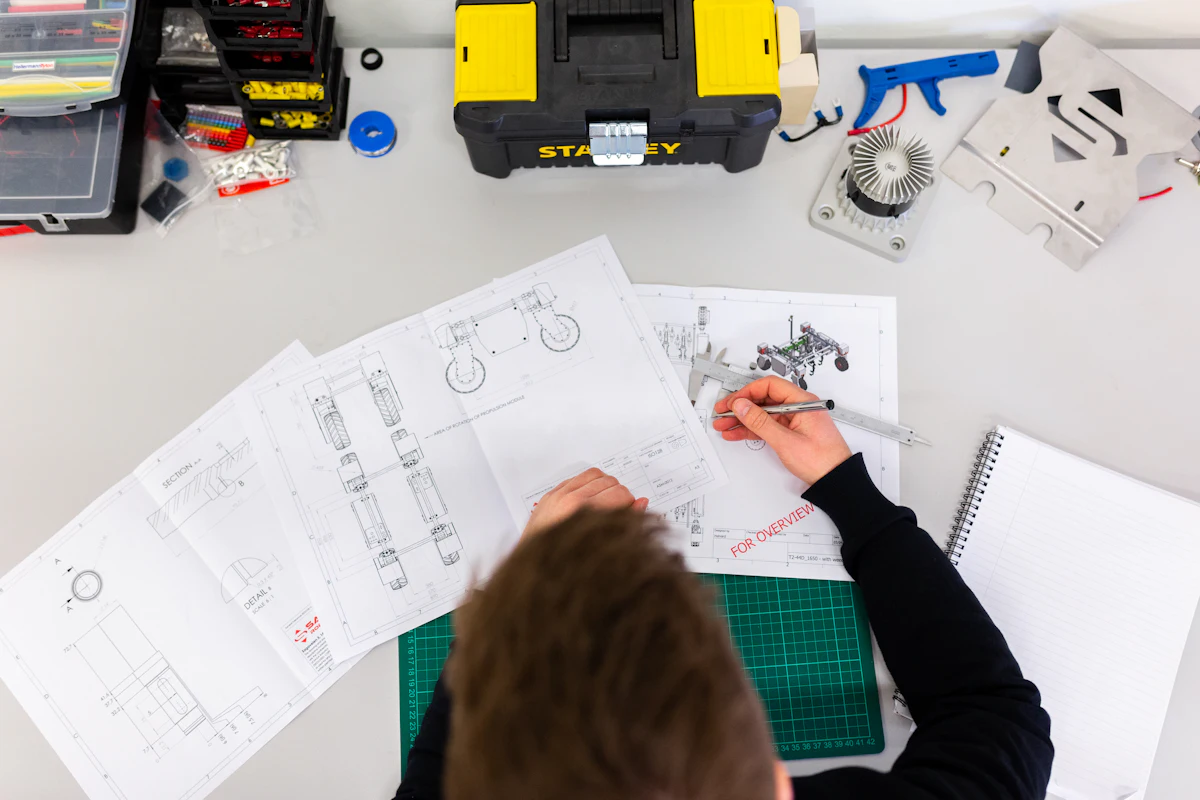
An engineer in workwear checking equipment readings with hand tools laid out beside them
One named engineer attends your visit and talks you through the readings before leaving.
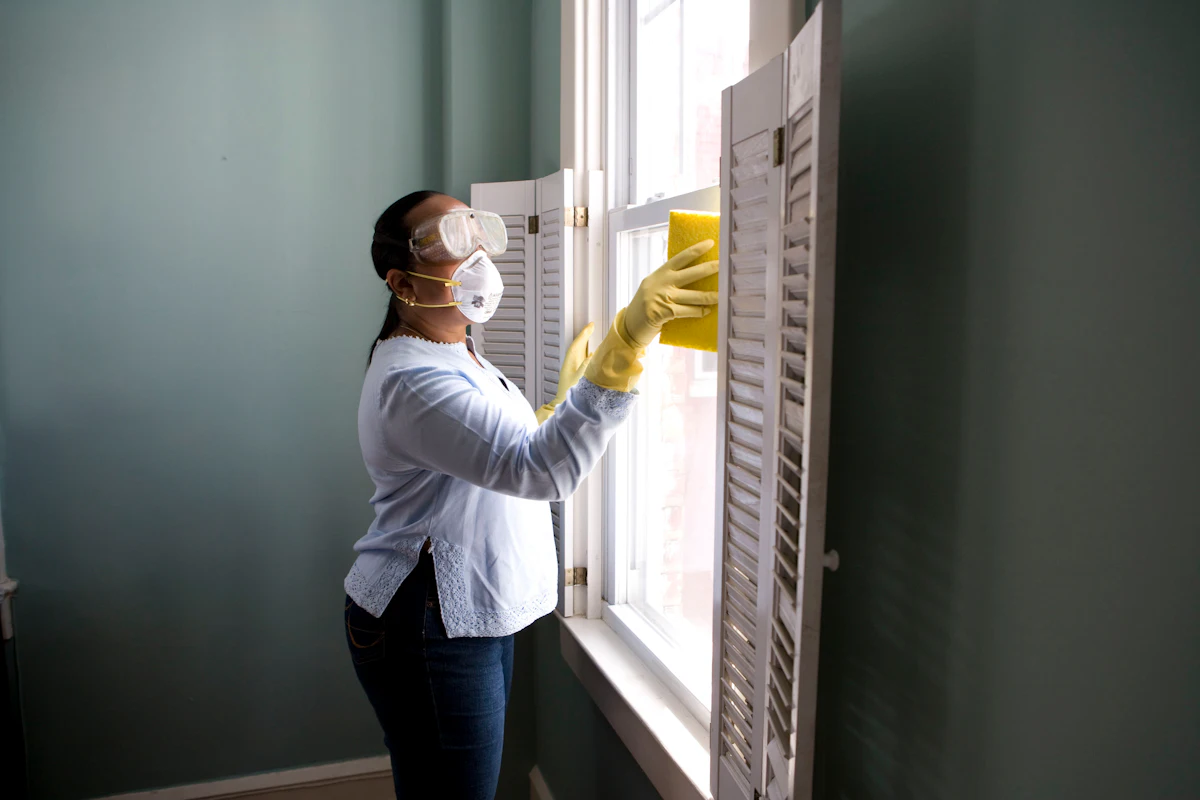
Cleaning cloths, brushes and a spray bottle arranged ready for a filter and coil clean
Coil treatments are rinsed, not left to dry on the fins — the difference you smell a week later.
Before you book

Questions we're
asked most weeks

How often does a split system actually need servicing?
Once a year is right for a normal home used through the warm months. Move to twice a year if the unit runs most of the year, sits in a kitchen or workshop, or lives with heavy pet hair, pollen or coastal salt air. A unit used only a few weeks a summer can sometimes stretch to eighteen months, and we'll tell you if yours can.
What do you need from me on the day?
Clear access to the indoor unit and to the outdoor condenser, a power socket nearby, and somewhere to put a small amount of water. If the condenser is on a balcony, flat roof or behind a locked gate, mention it when you book so we bring the right access kit rather than discovering it on arrival.
Does every service include a refrigerant top-up?
No, and be wary of anyone who says it does. A sealed system does not consume refrigerant. If pressures read low, there is a leak, and the correct order is find it, repair it, then recharge. Topping up a leaking system is money spent on gas that will be outside again by next season.
My unit is noisier than it used to be. Is that a service job?
Sometimes. A soft rushing that grew over a year is usually dirt loading the fan, and cleaning fixes it. A rattle, a grind, a click on start-up, or a noise that changes pitch with fan speed is mechanical — bearings, mounts or the fan wheel itself. Book it as a fault call-out so we arrive expecting to dismantle rather than just clean.
Can you work on a rental or managed property?
Yes. We can attend with the tenant present and send the service record to whoever is paying, and we're happy to coordinate directly with a letting agent or building manager. Please tell us at booking who approves any repair cost, because that one detail is the usual reason a second visit becomes necessary.
How do I know whether to repair or replace an old unit?
We weigh the repair cost against the unit's age, whether parts are still available, how efficiently it runs now, and whether it was ever the right size for the room. A ten-year-old unit needing one sensor is worth fixing. The same unit needing a compressor rarely is. You get both numbers and the reasoning, not a push toward new equipment.
Will servicing make much difference to running costs?
A clogged filter and a dirty coil force the system to run longer to reach the same temperature, so yes — a clean unit usually reaches set point faster and cycles less. We won't put a percentage on your particular system, but the before-and-after readings we take on the visit will show you the change in your own numbers.
Lead times are shortest off-season

Ask for a
service window

Tell us the property and roughly when suits. We reply with the windows we can hold and what the visit will cover.

  • Morning and afternoon windows, weekdays and Saturday mornings.
  • One engineer attends; you'll know their name before they arrive.
  • Multiple indoor units are serviced in the same visit where access allows.
  • Repairs are always quoted and agreed before any work starts.

We use your details only to answer this enquiry and arrange the visit.